

Understanding Pet Injury and Recovery
Pet injury can occur from accidents, surgery, or chronic conditions, and proper rehabilitation is essential for recovery. Injured pets often experience reduced mobility, muscle weakness, and discomfort. Pet injury treatment combines professional evaluation with structured exercises to restore strength, flexibility, and function.
Timely rehabilitation helps prevent further complications, and it supports faster healing. Neglecting post-injury care can prolong recovery and reduce overall quality of life.
The Role of Rehabilitation Exercises
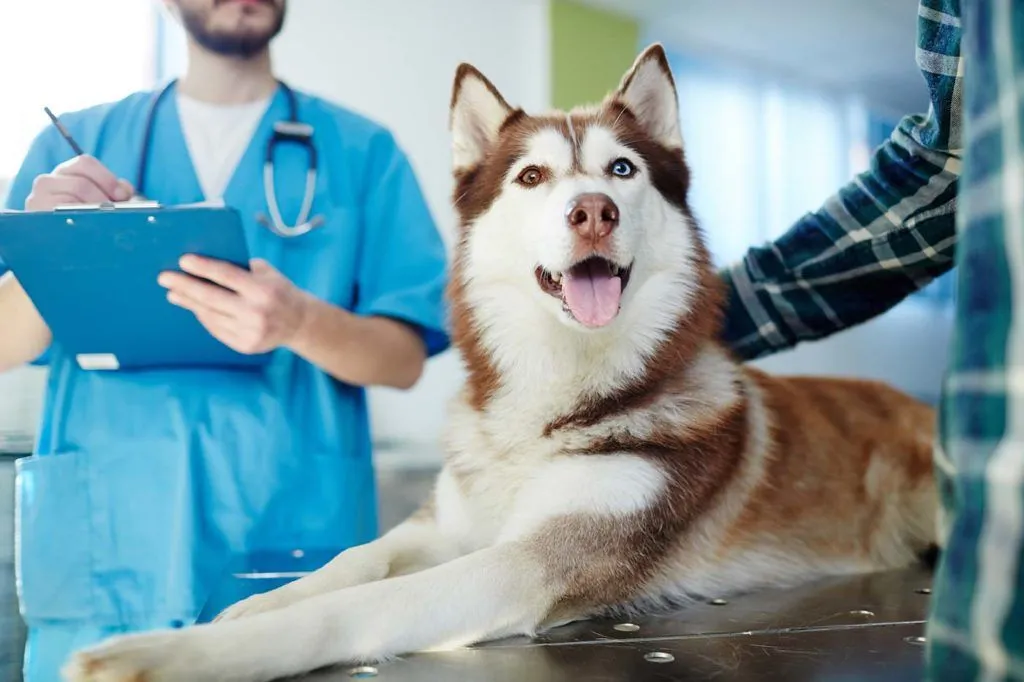
Rehabilitation exercises are used to improve joint mobility, strengthen muscles, and reduce pain in injured pets. These exercises are tailored to each animal’s injury type, age, and physical condition. A veterinarian can demonstrate proper techniques and monitor progress to ensure safety.
Structured exercises encourage natural movement and support healing. They are often combined with therapies such as hydrotherapy, massage, and controlled activity to maximize benefits.
Common Rehabilitation Techniques
Range of motion exercises help maintain joint flexibility and prevent stiffness. These movements should be gentle and performed gradually to avoid strain. Strengthening exercises focus on key muscle groups, supporting mobility and balance.
Hydrotherapy is another effective method that allows pets to move with reduced weight bearing. Water provides resistance while minimizing stress on injured joints. Balance and coordination exercises are also important, and they help prevent future injuries by improving stability.
Signs That Your Pet Needs Professional Guidance
Pets may not always show visible signs of pain, but behavioral changes can indicate discomfort. Limping, reluctance to move, decreased activity, or difficulty rising are common indicators. Consulting a veterinarian ensures that exercises are appropriate and do not worsen the injury. Monitoring progress is crucial. Adjustments to the rehabilitation plan may be necessary based on the pet’s tolerance and improvement.
Supporting Recovery at Home
In addition to professional guidance, at-home care plays a significant role in recovery. Short, frequent exercise sessions, gentle massage, and environmental modifications help pets regain mobility. Owners should create a safe space for movement and avoid high-impact activities until cleared by a veterinarian. Gradual progress ensures long-term recovery and reduces the risk of setbacks.
Pet Injury Treatment at Valley Animal Rehabilitation
At Valley Animal Rehabilitation in Clifton, NJ, pet injury treatment is designed to restore function and improve comfort. Veterinarians provide individualized rehabilitation plans by combining exercises, therapy, and monitoring. By following a structured program, injured pets can regain strength, mobility, and confidence while minimizing the risk of further injury. For more information or to schedule an appointment, call our office at (973) 509-5225. Structured rehabilitation not only accelerates healing but also enhances the overall well-being of pets recovering from injury.